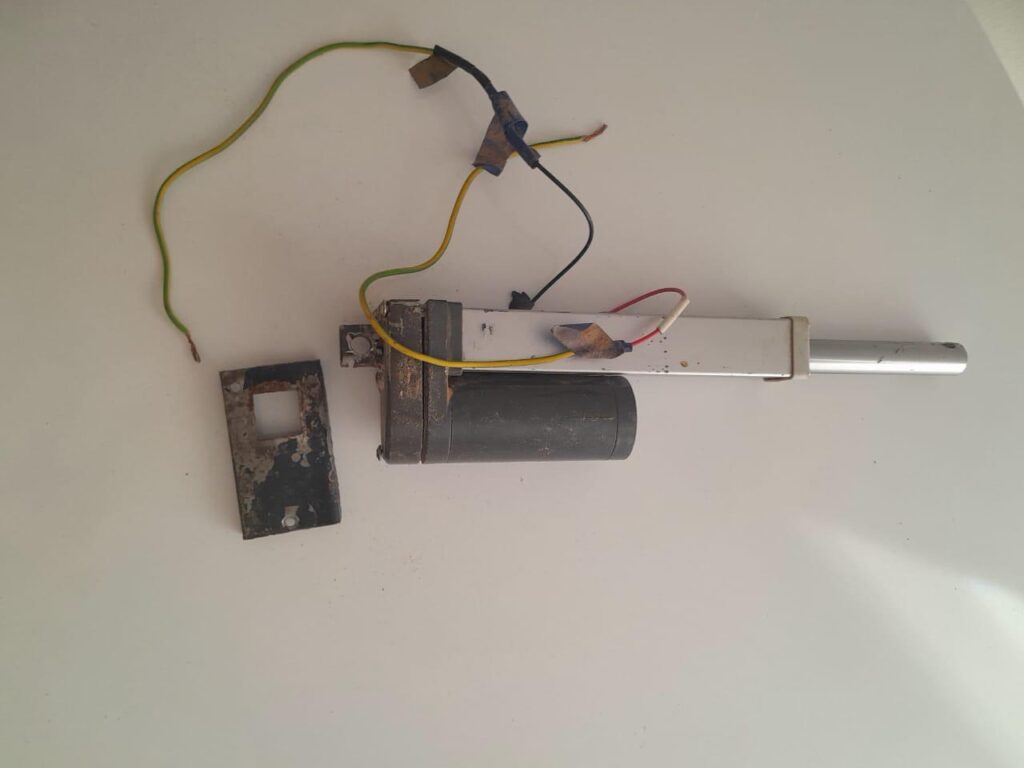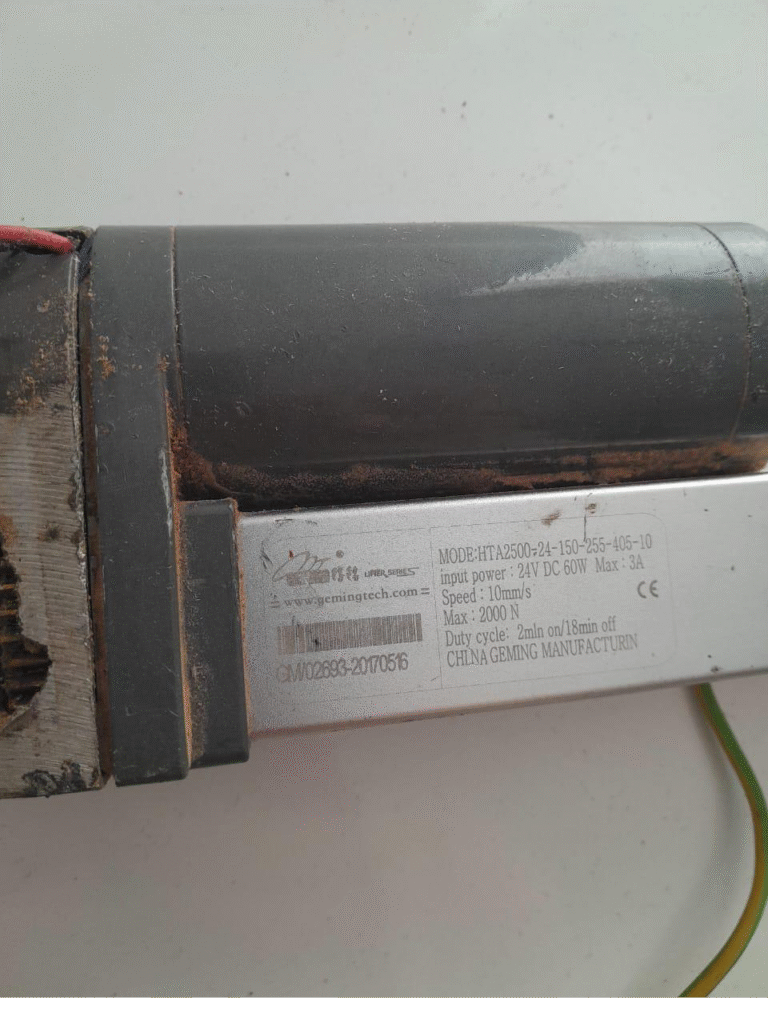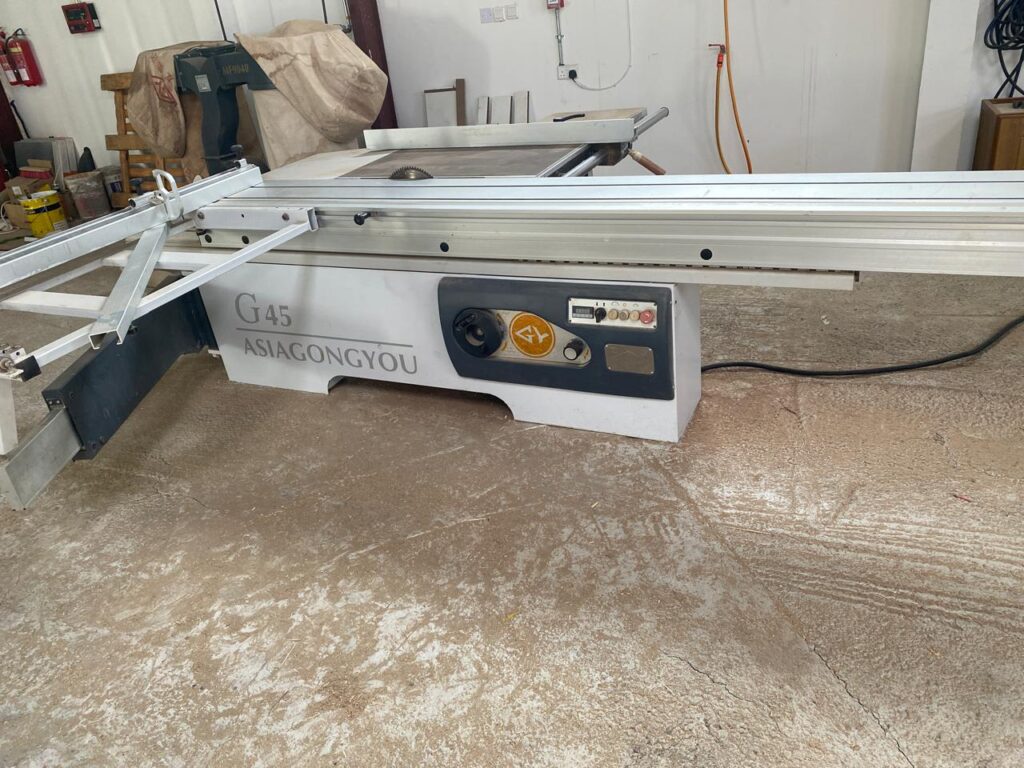
In 2017, a woodworking equipment manufacturer integrated one of our electric linear actuators into a saw table system.
The actuator has been operating in a real workshop environment, exposed to wood dust and frequent daily use. Its primary function is to provide stable and repeatable vertical adjustment during cutting operations.
For years, the actuator remained in service without replacement or major maintenance. No structural changes were made to the original system design, and the same actuator continued to operate within its original load and stroke parameters.
Earlier this year, the customer contacted us again — not due to a failure, but to reorder the same actuator model for a new saw table project.
From an engineering perspective, this case highlights the importance of proper actuator selection, mechanical integration, and realistic load evaluation. When these factors are aligned, an electric linear actuator can remain in long-term service well beyond typical expectations.
This project serves as a practical reference for woodworking machinery applications where long-term reliability and stable performance matter more than short-term specifications.