
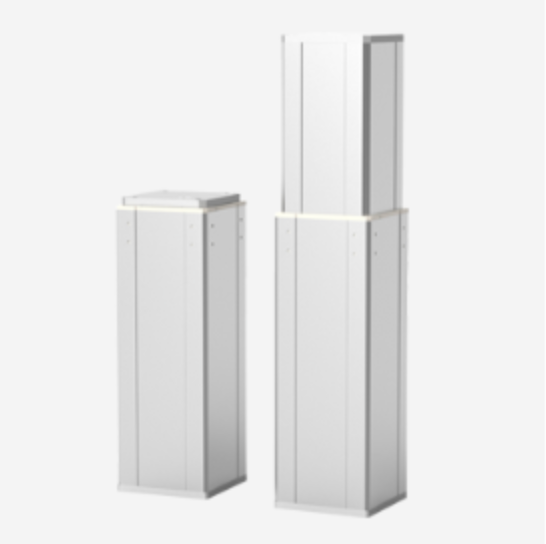
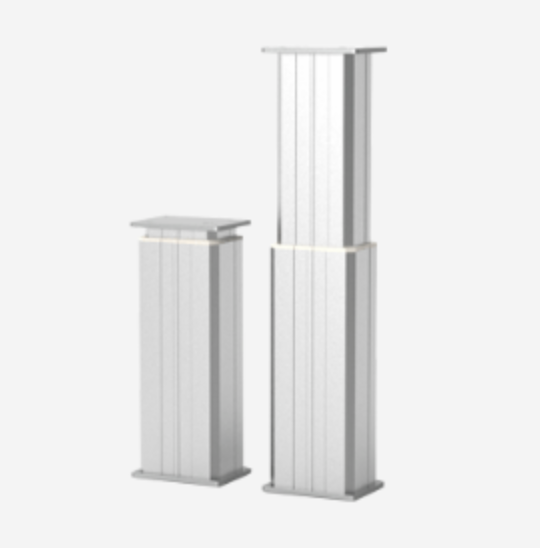
In 2020, custom furniture brands promoted GeMinG tatami lift columns, which have been a popular choice for young couples looking to optimize space in their homes. When designers create custom furniture, they often suggest transforming rooms into tatami setups, especially those ranging from 7 to 15 square meters.
Tatami has seen a surge in popularity in recent years. In 2015 alone, its terminal consumption increased by about 30. This is largely due to its suitability for small spaces, typically those within 12 square meters. Tatami offers powerful transformation and storage functions. It can be adjusted to serve as a bed, a play area, or a table. The bottom can be designed as drawers or side – door boxes for storing items like quilts and seasonal clothes, and integrated wall – mounted lockers can be added on both sides for even more storage.
When it comes to materials, the tatami market offers a range of options. Solid wood is the most expensive, followed by splicing and large – core boards, while plywood and high – medium density boards are more affordable. Wood is generally the recommended material as it provides warmth and meets the need for a box – floor design for storage.
Both bearing capacity and environmental performance are crucial factors when making a tatami. The height of the tatami also matters. For a standard tatami, it’s usually 15 – 20 cm, but when an electric lift is involved and the table legs need to be hidden, the height should be 35 – 40 cm. The recommended height for the overall tatami floor is over 2.7 m.
Tatami comes in standard and non – standard rectangles. Designers can customize it according to different spatial conditions, such as creating a platform next to the window in a narrow space or adding storage and display areas near the entrance. This guide helps consumers make informed decisions when choosing and customizing tatami with electric lifting columns.