Height Adjustable Desk Frames
GEMING height adjustable desk frames provide an electrically driven base for sit-stand desks, corner workstations and larger multi-leg work surfaces. The correct frame is determined by the complete desk layout rather than leg count alone. Tabletop size, load distribution, required travel, stability, speed, duty cycle, control method and cable routing should be reviewed together.
Choose the Frame Layout
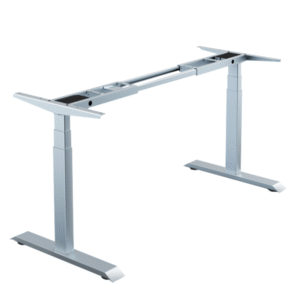
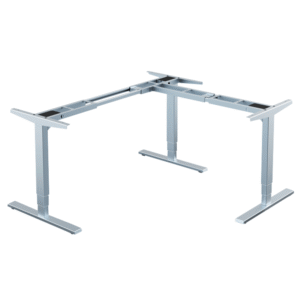
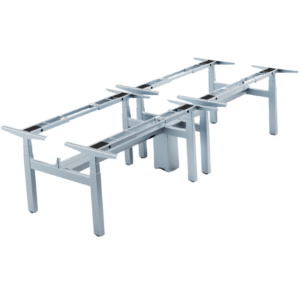
A two-leg frame is commonly used for a straight rectangular work surface. A three-leg frame can support an L-shaped or corner layout, while a four-leg frame can be considered for larger work surfaces or layouts that need support at four points. GEMING's current range below includes the HTS182 two-leg frame, HTS183 three-leg frame and HTS184 four-leg frame. Product suitability still depends on the final tabletop, loading and installation design.
Information Needed for Selection
- Worktop geometry: overall length, depth, shape, material and attachment points.
- Moving load: tabletop, equipment and expected payload, including uneven loading.
- Height range: required minimum and maximum working height and usable travel.
- Motion profile: expected adjustment frequency, target speed and acceptable noise.
- Electrical system: local input supply, control box, handset and any memory or safety functions.
- Installation: foot size, frame width, cable routing and clearance around moving parts.
Product Parameter Selection Example
For an L-shaped workstation, first record both tabletop dimensions, the complete moving mass and where monitors or equipment will be placed. The designer can then evaluate whether a three-leg architecture provides suitable support, define the required height range and confirm the matching motors, control box and handset. This example explains the review process; it is not a recommendation of a specific model without the final drawing and operating conditions.
For related application context, review the ergonomic workspace solutions, available control boxes and hand controls. For an OEM review, send the tabletop drawing, moving load, target height range, expected daily cycles, electrical requirements and order quantity through the contact page.
Desk frame configuration checks
Choose a desk frame around the finished workstation rather than the desktop size alone. Include the desktop, equipment, accessories and expected user load when defining the moving mass. Check the required adjustment range, frame width, mounting points, clearance under the work surface and cable movement. The frame and supporting structure must remain suitable throughout travel, including at the highest position and with the expected load distribution.
Confirm the controller, handset, power supply and installation arrangement as one configuration. If the workstation has an offset monitor arm, suspended equipment or a custom surface, provide a drawing showing where those loads act. Review the ergonomic workspace applications and lifting column range when a complete standard desk frame does not fit the mechanism. Send the layout and adjustment requirements through our contact page before selecting a final arrangement.