
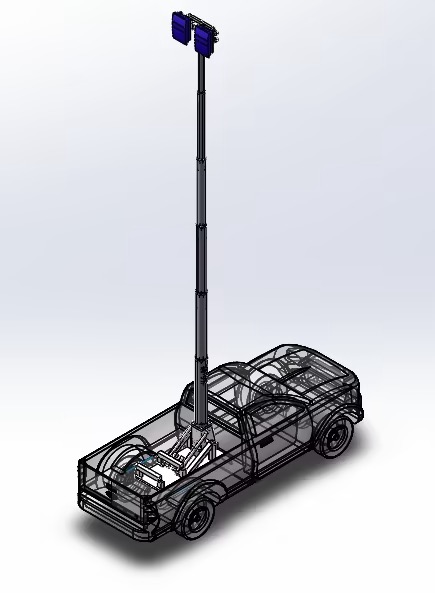
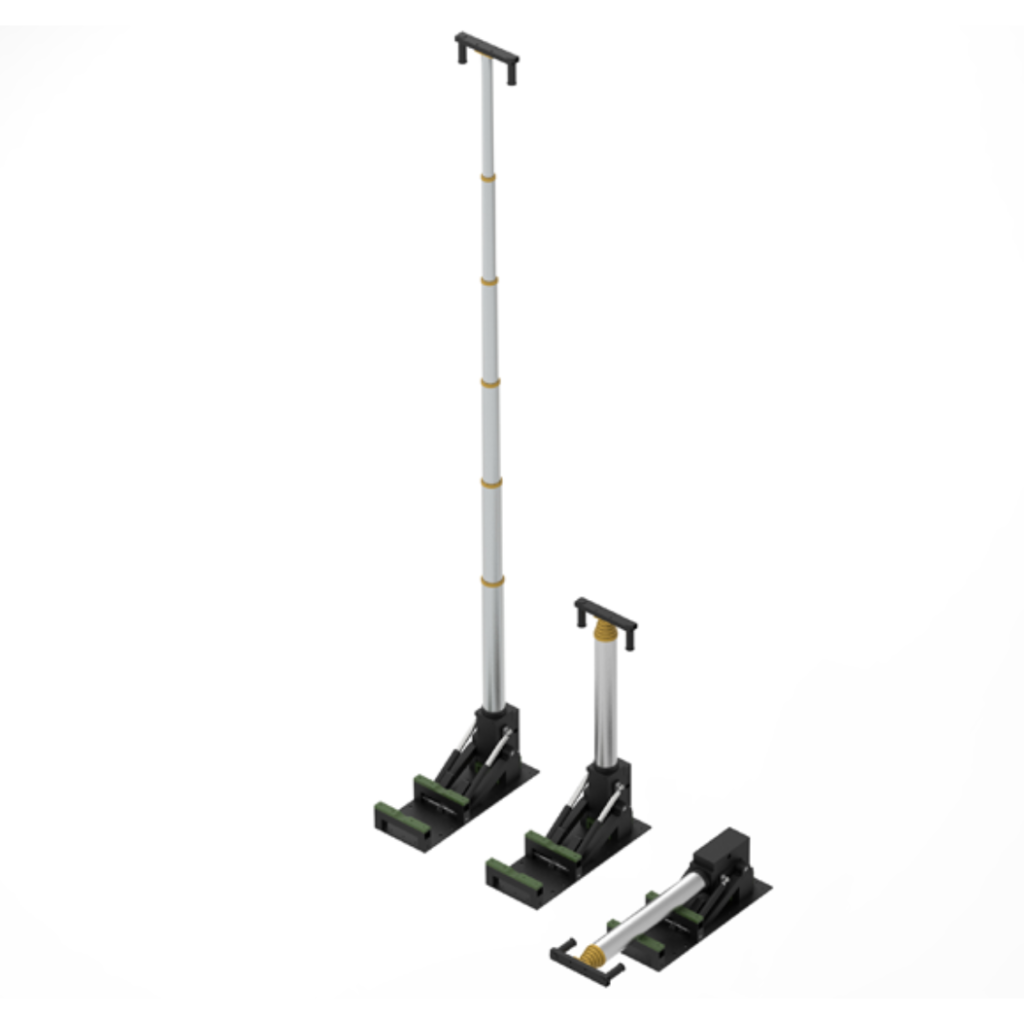
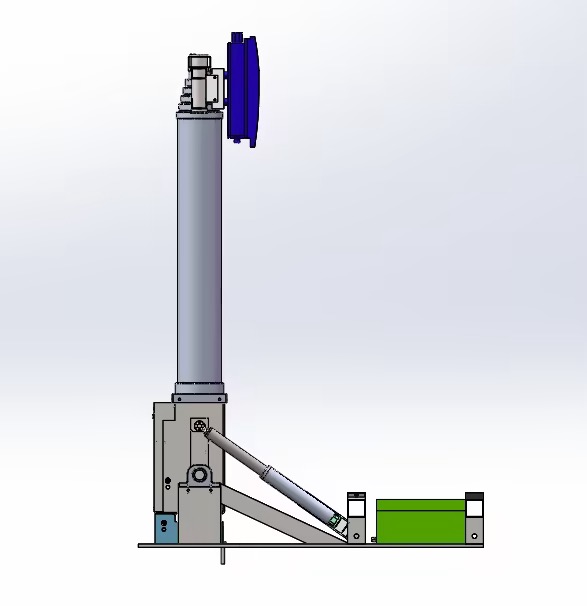
The HTL6 electric lifting mast is a telescopic lifting solution developed for applications that require vertical extension in a compact form. Compared with a conventional single-body actuator structure, the telescopic mast design makes better use of limited space while still providing useful lifting travel.
This is especially important in:
- Radar systems mounted on compact platforms
- 5G antenna equipment integrated into cabinets or mobile units
- Vehicle-mounted communication systems
- Portable detection or transmission equipment
- Smart industrial systems requiring controlled lifting motion
In these projects, the main problem is often not whether the system can move upward, but whether it can do so in a stable, space-efficient, and repeatable way.
Key benefits of HTL6 for radar and antenna lifting systems
1. Compact structure for limited installation space
One of the biggest challenges in radar and antenna projects is installation space. The system may need a relatively high working position, but the available mounting height in the closed position is still restricted.
The HTL6 telescopic structure helps solve this problem by allowing longer vertical travel within a more compact retracted length. This makes it suitable for enclosed equipment, mobile systems, and designs where external structural space is limited.
2. Stable vertical lifting for mounted equipment
Radar devices and antennas are different from ordinary loads. In many cases, the mounted equipment must remain stable during lifting and at the final working position. Poor guidance or structural play can negatively affect performance, positioning accuracy, or equipment safety.
The HTL6 lifting mast is more suitable for these vertical lifting tasks than a standard actuator-only arrangement because the mast structure itself contributes to guidance and lifting stability.
3. Better integration into electric control systems
Radar and communication equipment often require controlled motion rather than simple manual adjustment. An electric lifting mast can be integrated more easily with control boxes, switches, limit logic, or other electrical control solutions.
This is useful when the system needs:
- Controlled up/down positioning
- Remote operation
- Repeated height adjustment
- More convenient operation in field equipment or automated systems
4. Suitable for both fixed and mobile systems
The HTL6 is not limited to one type of installation. It can be considered for fixed communication structures as well as vehicle-mounted or mobile platforms, depending on the project design.
This makes it a practical choice for OEM projects where the lifting mast must be adapted to a broader system rather than used as an isolated component.
Typical application scenarios
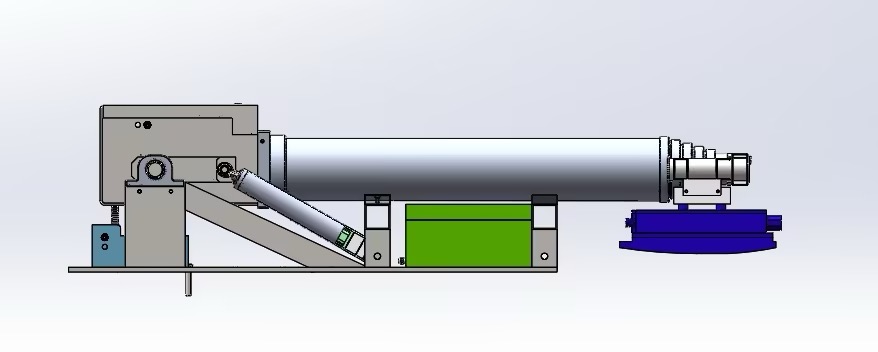
Radar detection systems
In radar applications, lifting the device to a higher position may improve line-of-sight conditions or help optimize detection performance. At the same time, the lifting system must remain compact enough for integration into the full equipment structure.
The HTL6 electric lifting mast can be used where controlled vertical positioning is required without relying on oversized external support structures.
5G antenna systems
For 5G antenna equipment, adjustable height may be required for deployment, testing, or system integration. In some designs, the antenna must remain protected or hidden in the closed position and only extend when needed.
A telescopic electric lifting mast is a useful solution in these cases because it combines compact installation with controlled height adjustment.
Mobile communication platforms
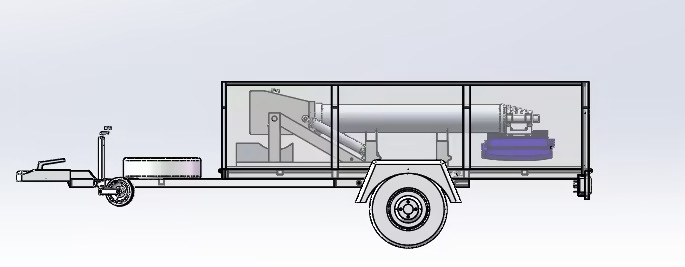
Vehicle-based or portable communication systems often have limited storage space during transport and a higher working position requirement during operation. The HTL6 helps bridge that gap by supporting a compact closed form and vertical extension when deployed.
Integrated industrial communication equipment
In some industrial applications, signal transmission, monitoring, or sensing devices must be raised during operation but kept compact within the equipment frame at other times. The HTL6 can support this type of vertical motion while fitting into a more engineered product structure.
Important selection considerations
Choosing an electric lifting mast for radar and 5G antenna systems should not be based on height requirement alone. Before selecting a mast model, engineers should evaluate the following:
Mounted load
The total weight of the radar, antenna, brackets, cables, and additional accessories must be considered together.
Center of gravity
If the mounted equipment is not balanced, side load and bending moment may affect lifting stability.
Required stroke
The needed extension height should be defined clearly, along with the closed height limitation of the equipment.
Installation layout
The mounting method, available base space, and cable arrangement all affect the final solution.
Control requirement
The project may require a simple switch, a matched controller, or integration into a more complete electrical system.
Operating environment
Indoor and outdoor conditions, dust, moisture, vibration, and usage frequency may all affect the mast design decision.
A proper solution is always based on the system as a whole, not just one isolated parameter.
Why not use a standard linear actuator instead?
This is a practical question many buyers ask.
A standard linear actuator works well for pushing, pulling, tilting, or opening and closing motions. But in radar or antenna lifting systems, the requirement is usually different. The system often needs guided vertical lifting with better structural stability and cleaner integration into the equipment frame.
That is where a telescopic lifting mast has an advantage. It is not simply generating motion. It is supporting a vertical lifting structure.
Conclusion
The HTL6 electric lifting mast for radar and 5G antenna systems is a practical solution for projects that require compact installation, stable vertical lifting, and controlled height adjustment. It is especially suitable for radar devices, communication antennas, and integrated equipment systems where both space efficiency and lifting performance matter.
Instead of choosing a lifting solution only by travel distance, it is better to evaluate the full application, including structure, mounted load, control method, and installation limitations. That is the difference between simply buying a component and selecting a workable system solution.
Need help evaluating whether HTL6 fits your project?
Send your load, required height, closed length limit, and installation details. We can help review the application and suggest a suitable solution. Or you can refer to How to Choose a Lifting Column?)
FAQ
An electric lifting mast is used to raise radar equipment to a required working height while keeping the structure compact in the closed position.
A telescopic lifting mast helps provide longer vertical travel in a more compact installation space, which is useful for antenna deployment and integrated equipment design.