
Lifting Columns for Embodied Robots: Model Selection
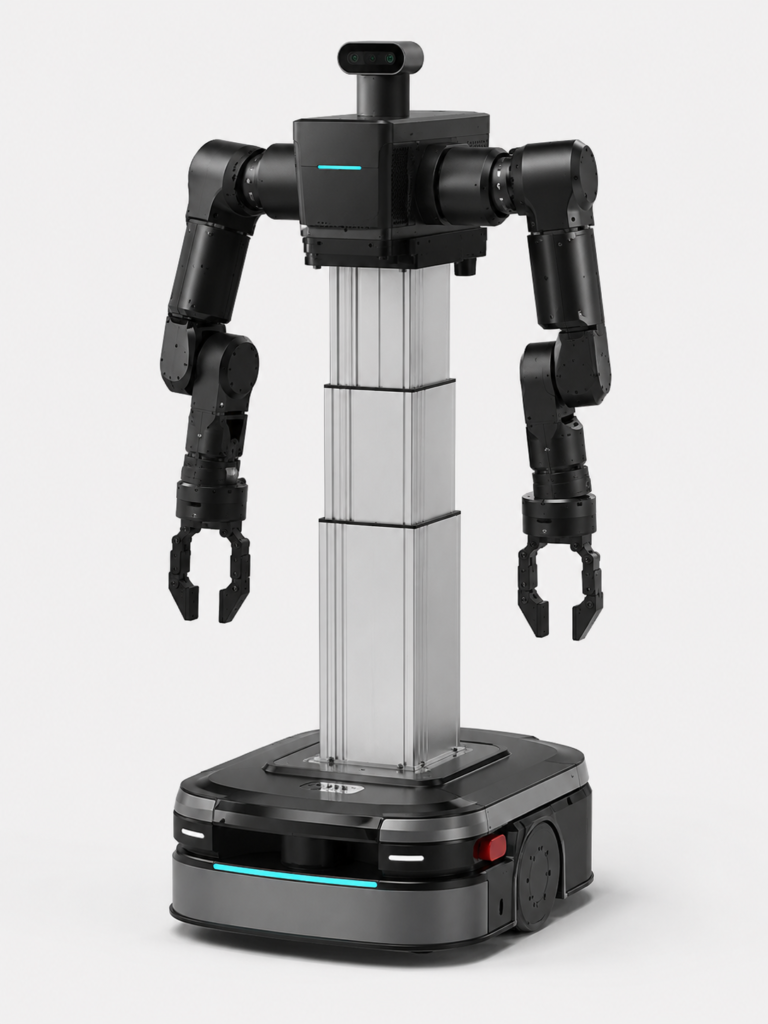
Select lifting columns for embodied robots, dual-arm robots and AMR platforms by load, stroke, speed, controls and cable-routing requirements.
Robotic Lifting Column Selection Guide: GEMING HTD3, HTA3, HTB3 and HTG3 Compared

Introduction Robotic systems are no longer limited to fixed working heights. In many modern applications, a robot must adjust its vertical position to reach different workstations, avoid obstacles, dock with equipment, lift payloads, or extend its operating range. A robotic lifting column works as a vertical motion module. It allows mobile robots, AGV/AMR platforms, service […]
Engineering Guide: How to Choose the Right Electric Linear Actuator & Electric Cylinder
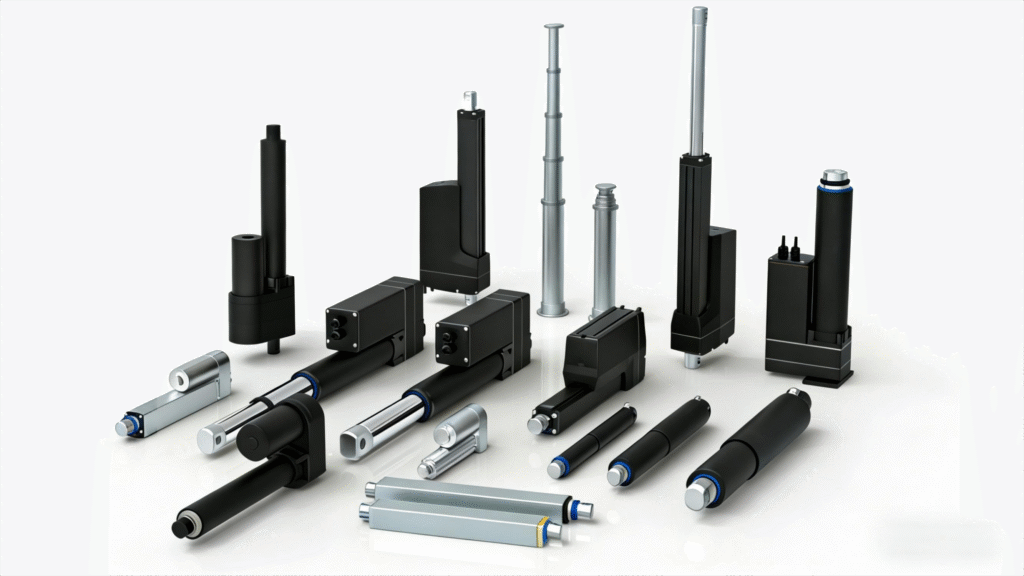
Selecting an electric linear actuator requires more than matching thrust and stroke. OEM teams must also check speed, duty cycle, mounting, and side load. A wrong choice can cause binding, overheating, or early failure. Self-supporting lifting columns include structural guidance for bending loads. In contrast, electric linear actuators and cylinders are primarily designed for pure […]
Understanding CAN Bus Control for Electric Lifting Columns: Why Some Systems Can Read Position and Some Cannot
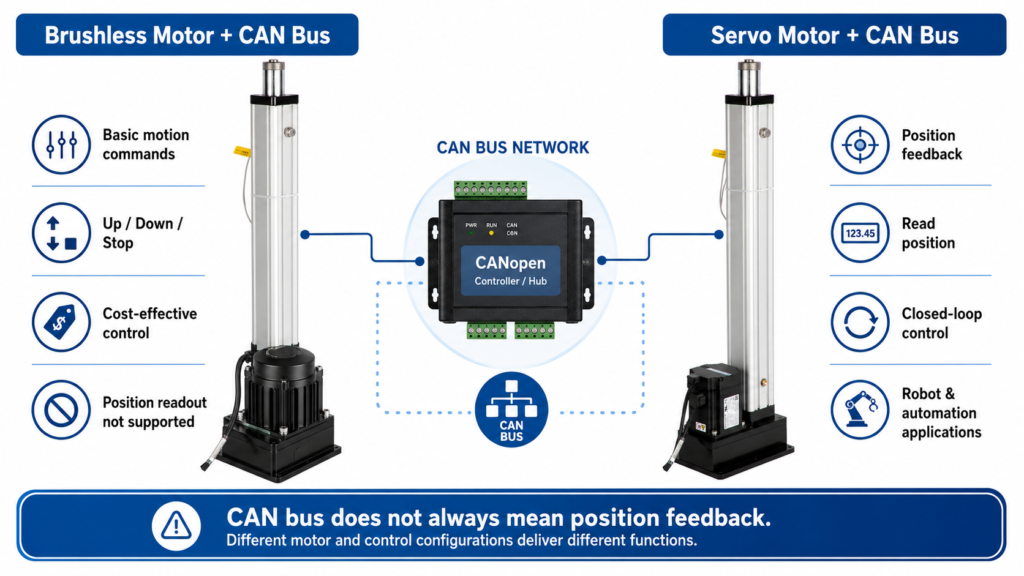
CAN bus is widely used in industrial automation, mobile machinery, robotics, medical equipment, and intelligent lifting systems. Many customers request a lifting column “with CAN bus” because they want to connect the actuator or lifting column directly to their own controller, PLC, robot controller, or embedded platform such as Jetson. However, one important point is […]
Technical FAQ: Selecting Electric Lifting Columns for OEM & Industrial Applications

Introduction To choose an electric lifting column, start with the real load, required stroke, closed length, stability, duty cycle, control method, and operating environment. Rated load alone is not enough. A column can meet its rated load and still be unsuitable for the machine. Off-center loads, poor guidance, an excessive stroke, or the wrong synchronization […]
What Is a Linear Actuator?

A linear actuator is a device that moves a load in a straight line. In an electric linear actuator, a motor usually turns a lead screw or ball screw; a nut travels along that screw and drives an extension tube, carriage, or guided stage. Engineers use linear actuators when a machine must lift, push, pull, […]